
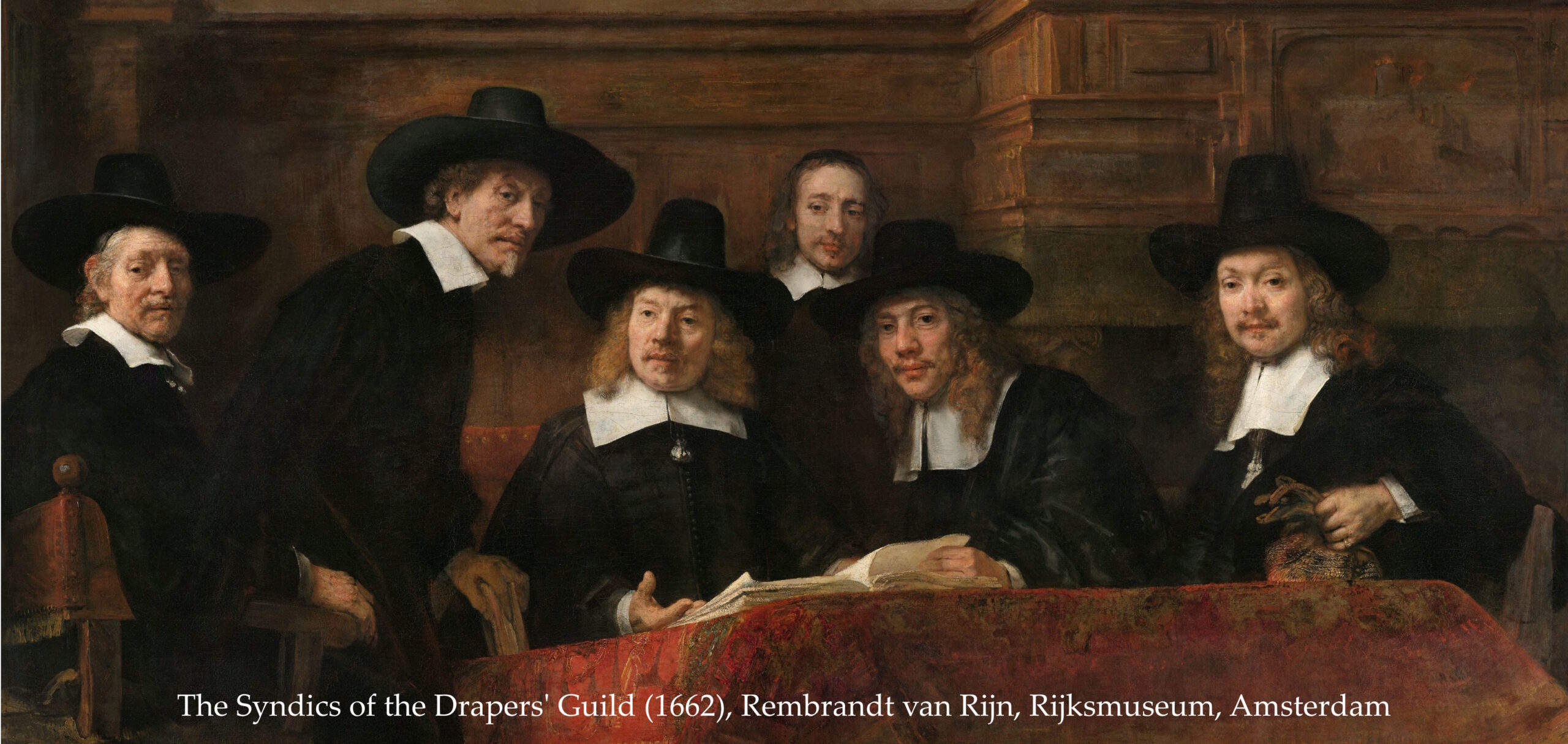
Making money is art –Andy Warhol
Today’s newsletter is short and mostly sweet. First, helpful hints on building great boards and investment teams, but then some doubts on how much longer it might matter as bot-views and agentic overlords commandeer portfolio management.
Board work matters
A pithy primer on Washington University’s remarkable investment resurgence posted recently on LinkedIn. Clark Hoover, investment officer at the Los Angeles City Employees’ Retirement System read our report on the WashU endowment board’s laudable work and thoughtfully excerpted key dos and don’ts for his nonprofit peers.
When insights come our way – from in-depth interviews with industry veterans, for example – we feel obliged to pass them on to our savvy readers. As ‘frontier’ novelist Louis L’Amour wrote “Knowledge is like money: To be of value it must circulate.”
“What the best boards do:
- Stay aligned and engaged — committed, collaborative, and focused on long-term success.
- Keep governance lean — typically 5–7 members, low turnover, and average board tenure of 10+ years.
- Provide strategic clarity — establish clear objectives, define expectations for the investment team, and evaluate and compensate staff objectively.
- Focus on governance, not management — the board owns strategic asset allocation while empowering investment staff to execute.
What weaker boards tend to do:
- Overcrowd the boardroom — too many voices, high turnover, and excessive micromanagement.
- Send mixed signals — discourage prudent risk-taking while expecting outsized returns.
- Underinvest in talent — reluctance to pay competitively often leads to weaker performance and higher staff turnover.
Strong governance doesn’t guarantee strong investment results—but weak governance makes results much harder to achieve.”
One reader noted, however, that public pensions often have slots set aside for government and union representatives which crowd the boardroom. When it comes to public plans and their financial sway, everyone wants a seat at the table.
Iconoclasts are few and far between and CIOs on many campuses have little room to run, even when they want to. So, if most institutional portfolios look and act the same, why not just give in to AI and the algorithms? It’s cheaper, easier, and when something goes wrong, blame it on those ghosts in the machines.
Sophisticated quant strategies proliferate on Wall Street, ETFs have taken over Main Street, and AI chatbots and robo-advisors swarm financial services. In the world of HR and talent acquisition, algorithms and predictive tools are here in force and impact hiring and career advancement.
Our cyber symbiotes don’t just ease the workload they free us from the tyranny of choice. Decisions without responsibility or regret, every bureaucrat’s dream.
But there are always tradeoffs. Disruptive innovation hits hard and the effects can be brutal. As the automobile swept America, replacing the real life power of horses, entire industries collapsed. Stables, blacksmiths, harness makers, feed suppliers, auction houses, investors; so many livelihoods gone.
So, here’s my worry. These AI dislocations affect perception as well as reality. With deepfakes and synthetic friends, hallucinations and digital shadows, it’s hard to know what part of our digital collective is real.
Financial advisors, analysts, CIOs, all those corporal inhabitants in our world of finance and asset management, in ten years’ time will they still be human? Investing is all about trust and responsibility. AI doesn’t care.
—Charles Skorina
